Planning a Casino-Themed Film Night Without the Cliché
Plan a casino-themed film night with a clear viewing order, comfortable room setup, and focused prompts that make the films—not the props—the main event.
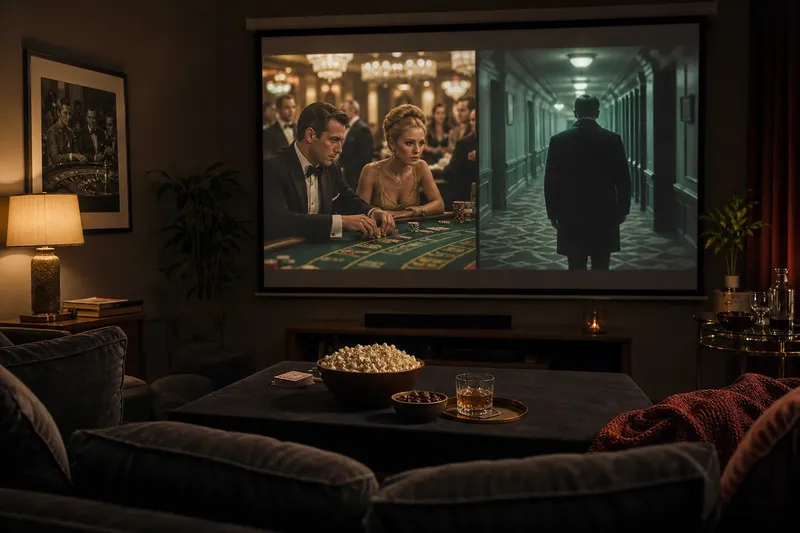
A casino-themed film night is easier to plan when the films, not the decorations, carry the theme. Choose stories with a clear contrast, then use the room to support a comfortable screening rather than stage a miniature casino.
Choose films for a clear viewing contrast
Start with a question you want the pairing to raise. One film might treat a casino as a place of performance and display; another might focus on a character trying to read the room, make a decision, or leave it. The contrast gives guests something specific to notice without turning the evening into a lecture.
For a single-film screening, choose one lens instead: costume, editing, sound, architecture, or how the camera directs attention. That choice can shape a short introduction and a few discussion prompts.
Check availability, runtime, tone, subtitles, and content before sending invitations. Tell guests what kind of evening to expect, rather than promising that every selection will suit every taste.
Set a realistic schedule before sending invitations
Choose one film when the evening needs to stay compact. For a double feature, make sure there is room for arrivals, a break, and conversation; the aim is a relaxed screening, not a race against the clock.
Decide the viewing order in advance. A fast-moving film can help late arrivals settle in, while a quieter one may work better after everyone is present. If the second film is meant to challenge the first, put it last and give guests a moment to compare what each made visible.
Keep the room comfortable and visually restrained
Use a warm lamp, a dark tablecloth, or a printed still from one of the films to establish a mood. Keep the screen clear, seats easy to reach, and walking paths open. A deck of cards can sit on a side table as a visual reference; it need not become an activity.
Pick snacks that are easy to handle quietly, and place drinks on a stable surface outside the projection path. If you plan a break, say when it will happen before the screening begins.
- If the screen is partly blocked by decor, move the object to a side table; if the screen is clear, leave the sightline alone.
- If guests need to cross in front of the picture to reach snacks, relocate the food to a reachable surface; if the route stays clear, keep the setup simple.
- If a lamp creates glare on the screen, turn it away or move it behind the seating; if the image remains easy to see, keep the softer light.
- If the chosen snacks are noisy or messy, replace them with quieter, easier-to-handle options; if they can be eaten without distracting from dialogue, serve them as planned.
- If subtitles are part of the screening, check that the seating offers a clear view of them and tell guests beforehand; if the film does not use subtitles, share its audio and content notes instead.
- If the planned break interrupts a tense sequence, move it to a natural pause; if the film offers no clean pause, take the break between films.
Make discussion specific without making it compulsory
Prepare a few open prompts and use them only if the room wants to talk. Ask what the camera draws attention to, how sound changes the mood, or what the setting lets a character do. Guests can answer from the film itself without sharing private experiences.
Say you have selected two films for an invented screening: the first uses bright compositions and quick edits, while the second follows a character through quieter, repetitive scenes. You schedule the brighter film first, check that the break falls between titles, and prepare one prompt about how each film uses sound. The expected result is a comparison grounded in specific choices on screen; if guests prefer to talk informally, you can leave the prompt unused.
Which details should you settle before guests arrive?
How many films fit the evening?
Choose one title for a shorter gathering or two when the schedule leaves room for a break and conversation. If the available time feels tight, drop the second film rather than rushing the first.
How can the theme read without casino props?
Use a film still, a restrained color choice, or a pairing built around contrasting moods. If the room already feels busy, let the titles and screening order do the work.
What should the invitation mention?
Share the titles, general tone, viewing format, and any relevant content or subtitle information. If the plans include no gambling activity, say so plainly.
How can guests join the discussion comfortably?
Ask about visible choices in the films and make clear that passing is fine. If conversation stalls, return to a simple detail such as lighting, sound, or camera placement.
Let the screening, not the set dressing, lead
A thoughtful casino-themed film night depends on a clear selection, an orderly viewing plan, and a room that does not compete with the screen. Props are optional; comfortable seats and an unobstructed view are less ornamental, and more useful.
Before guests arrive, sit in the least convenient seat and check the screen, subtitles, and path to the refreshments. That small check can catch the sort of problem no amount of tasteful felt will fix.