The Word Glamour Can Hide More Than It Explains
Casino glamour can blur the line between a room and its image. Learn to describe the visible details and identify whose impression the word conveys.
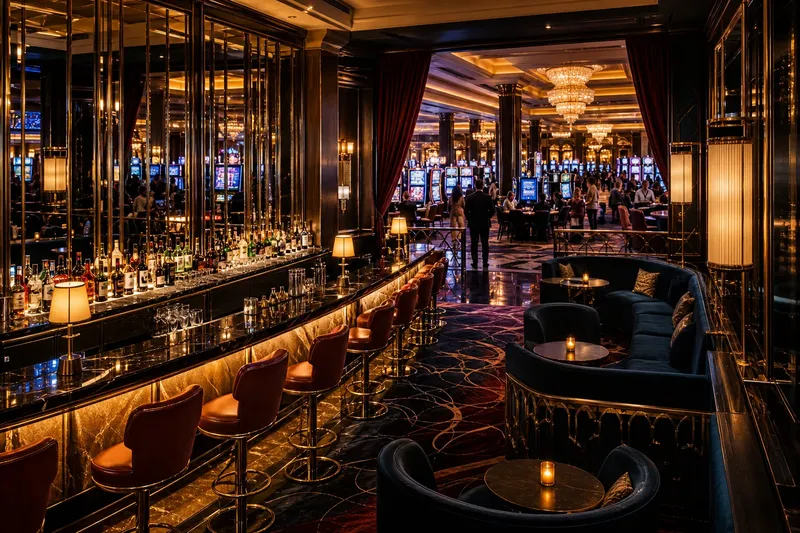
Casino glamour can describe a room, an advertisement, or a visitor’s reaction, but those are different subjects. A brass-trimmed lounge, a staged entrance, and someone’s impression may share the adjective without sharing the same evidence.
To write about casino glamour clearly, name the source and the visible details, then explain any interpretation. Readers get a specific scene and can tell what the description supports.
Glamour signals a mood rather than a fixed design style
Glamour may suggest polish, spectacle, formality, or fantasy. It can describe a design choice, a promotional promise, a fictional convention, or one person’s response; context determines which meaning applies.
“A glamorous casino” does not tell readers whether the room has ornate fixtures, theatrical lighting, formal dress, or a glossy advertising campaign. If readers need to picture a place, identify what they could actually see.
The word earns its place when the subject is aspiration or spectacle. Pair it with details that create that impression, rather than using it as a description of an entire venue.
Different casino settings call for different descriptions
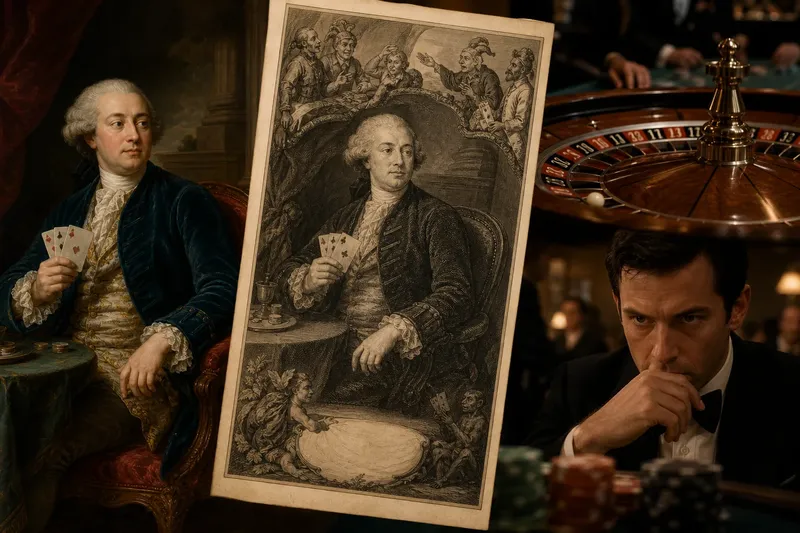
Gold tones, dark wood, bright bulbs, velvet ropes, and evening clothes form a familiar visual shorthand. Advertisements and entertainment circulate that image, but it is one presentation of casino life, not a neutral account of every setting.
A hotel gaming floor, neighborhood venue, resort lounge, and temporary casino-themed event have different purposes and surroundings. One building may also contain a restaurant, lobby, and gaming area, each with its own design choices.
Calling all of them glamorous can narrow the imagined audience to luxury and formal dress. A more exact account can describe casual leisure, a social outing, work, or an ordinary commercial setting without making one image stand for all the others.
Name the specific setting before choosing a mood word.
Use visible details to support an interpretation
A useful description separates what a reader could point to from what a writer infers. “A lounge with brass trim, low amber lighting, and a long central bar” supplies visible details; saying those choices create a theatrical impression identifies an interpretation.
Use this editing pass to decide whether the adjective adds useful meaning:
- Check the mood words. If “glamorous,” “luxurious,” or “dazzling” appears without a visible feature, add one; if the adjective only repeats details already present, remove it.
- Check the setting. If the source is a lobby, lounge, gaming area, advertisement, or film scene, name it; if the source is unknown, state that limitation instead of implying a particular room.
- Check the visible details. If materials, lighting, layout, signage, or clothing help readers picture the scene, retain them; if none are present, replace the general mood with a specific account or identify it as an impression.
- Check the link between feature and meaning. If a detail supports a claim about privacy, formality, or spectacle, explain how; if the connection is unclear, report the detail without assigning it a meaning.
- Check the point of view. If the sentence reports a visitor’s reaction or a campaign’s claim, identify whose view it is; if a subjective response reads as fact about the room, attribute or revise it.
- Check claims such as “exclusive.” If the text gives a basis for the claim, state it; if not, replace the claim with observable details or identify it as promotional language.
- Check whether atmosphere adds information. If the mood word explains an effect that the details do not convey, keep it and identify whose impression it represents; if not, cut it.
Say you are writing about an invented casino lounge with mirrored panels and quiet seating beside the bar. First, identify the setting as a lounge and record those two visible details. Then explain that the mirrors create a theatrical impression; the resulting description names what is present and frames the mood as an interpretation, rather than a claim about the whole casino.
What do readers mean by casino glamour?
Is glamour a feature of the room or an impression?
It can refer to visible design choices, but glamour itself is an interpretation shaped by the setting and the person describing it. Name the features, then make clear that the mood is an impression.
Does glamour always mean luxury?
No. It can suggest polish, spectacle, fantasy, or social distinction without establishing that a venue is expensive or exclusive. If the subject is cost, access, or service, describe that directly.
Can ordinary design details create a glamorous impression?
Yes. Lighting, signage, reflective surfaces, uniforms, and arranged seating can contribute to a polished presentation. Their effect depends on how they are used and on the surrounding scene.
Does a promotional image represent a visitor’s experience?
Not necessarily. A campaign selects what to show, while a visitor encounters a particular place and moment. Describe the advertised image separately from claims about the venue or its visitors.
Keep advertising claims distinct from descriptions
“The campaign presents the resort as glamorous” identifies the word as promotional language, not a neutral description of every room or visitor. That distinction matters when an image moves into a headline, social post, review, or public discussion.
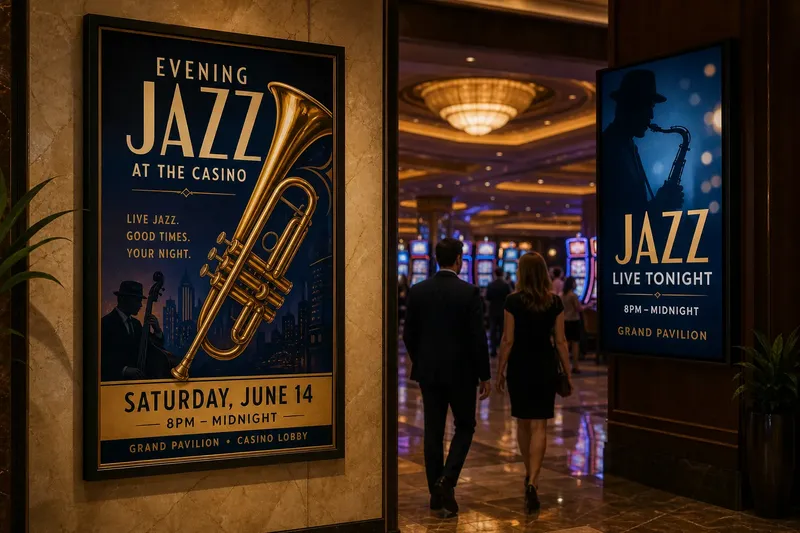
When describing an image, say what it emphasizes and what it leaves outside the frame. A poster may foreground a bright entrance and evening clothes; that describes the poster’s choices, not the entire venue. Avoid calling an image deceptive unless you can identify the claim and the evidence that conflicts with it.
Quotation marks can show that “glamour” is under discussion, but repeated scare quotes express skepticism without explaining it. Identify the source and purpose instead: promotional copy, a film’s visual convention, or a visitor’s personal description.
Choose the word when the mood is the subject
Keep the phrase when the subject is aspiration, spectacle, status, or a particular presentation of casino life. Support the impression with details and make clear whose image or response you mean.
Choose a more specific description when readers need to picture a room, compare settings, or understand a design choice. “A formal lobby with a broad staircase” gives a clearer scene than “a glamorous entrance.” “A bright sign above a crowded doorway” offers another specific scene without implying that either one represents every casino.
Try removing the adjective. If the sentence loses only a vague mood, the word may be expendable; if the subject is a mood being sold or remembered, keep it and identify whose impression it is.